
Join the Conversation
- Find Answers
- :
- Apps & Add-ons
- :
- All Apps and Add-ons
- :
- All Apps and Add-ons
- :
- How else can you connect into databases (mainly Mi...
- Subscribe to RSS Feed
- Mark Topic as New
- Mark Topic as Read
- Float this Topic for Current User
- Bookmark Topic
- Subscribe to Topic
- Mute Topic
- Printer Friendly Page
- Mark as New
- Bookmark Message
- Subscribe to Message
- Mute Message
- Subscribe to RSS Feed
- Permalink
- Report Inappropriate Content
How else can you connect into databases (mainly Microsoft SQL Servers) without DB Connect and Java?

With the new changes for cost of support on of Java version 8 coming soon, is there any other way that people are connecting into databases (mainly Microsoft SQL Server but other types of databases are possibly going to be needed in the future) that are not using DB Connect and Java? According to the docs for DB Connect, JRE 8 is required and that one is having the price changed for support.
This would be for both executing ad hoc queries to show data and pulling data in for indexing/storing in Splunk.
Thanks.
- Mark as New
- Bookmark Message
- Subscribe to Message
- Mute Message
- Subscribe to RSS Feed
- Permalink
- Report Inappropriate Content

1) I doubt the Java thing is actually what people think it is. Certainly wasn't last time. https://blog.joda.org/2018/08/java-is-still-available-at-zero-cost.html and
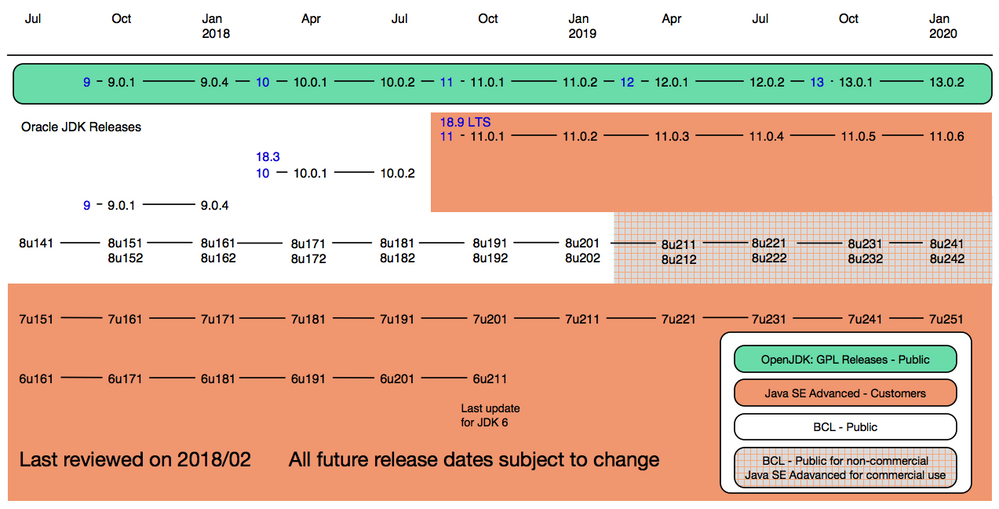
That said, Splunk does need to invest in modernizing their Java support.
2) Not using Java to talk to RDBMS's is technically feasible but often unpleasant, because it's not very standard or performant. For instance you can use ODBC against MS, but it stinks against anything else. Lots of databases have native clients that will be great for one offs, but it won't be the standardized experience of DB Connect.



Join the Splunk Community Slack to learn, troubleshoot, and make connections with fellow Splunk practitioners in real time!
Join Splunk User Groups to connect and learn in-person by region or remotely by topic or industry.
A Four-Part Event Series: Full Stack Observability For the AI Era
SOC4Kafka - New Kafka Connector Powered by OpenTelemetry
Event Series: Level up your SOC: Advancing with Splunk Enterprise Security
